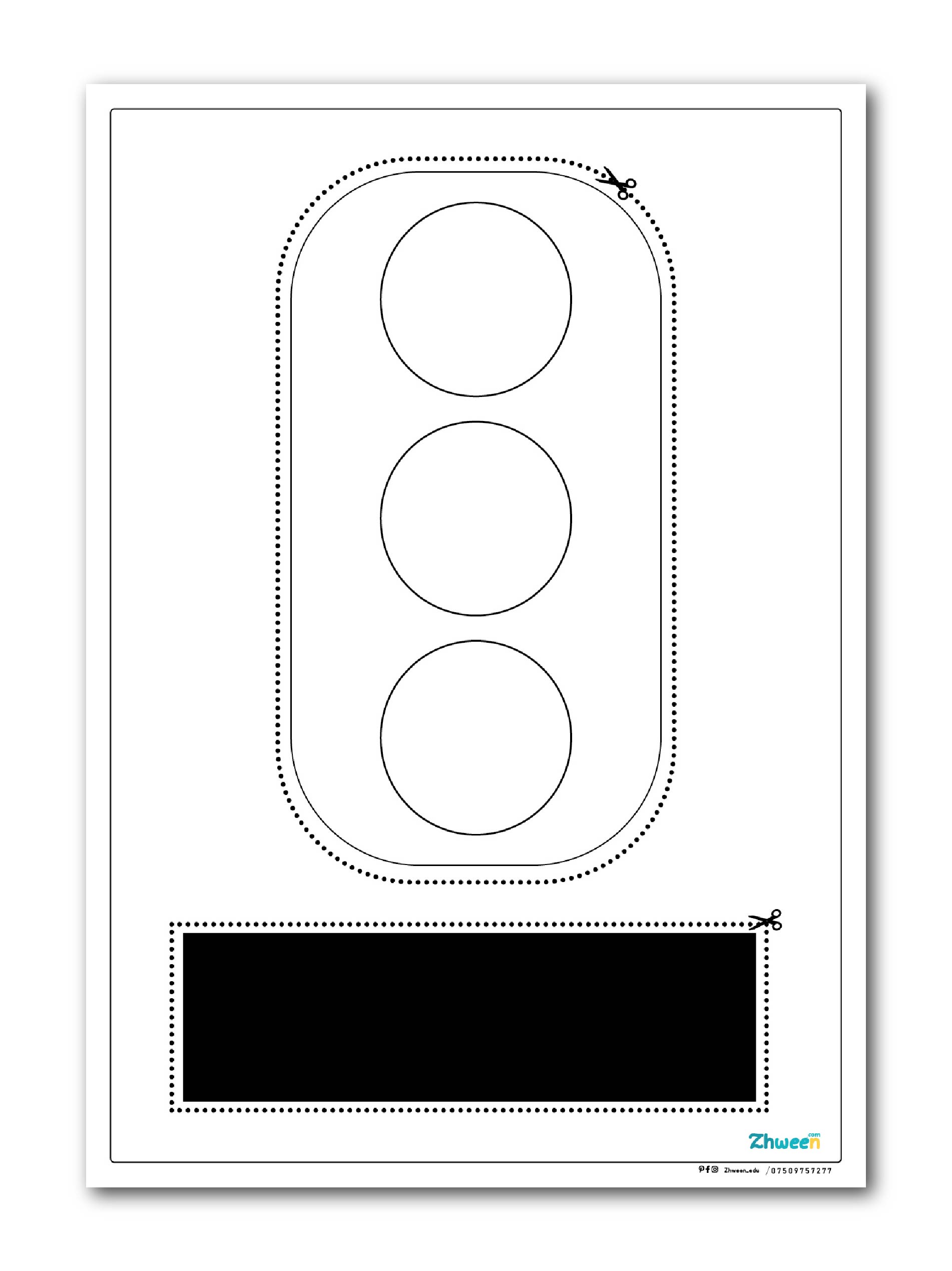
Pencil Control Tracing Worksheets Collection
Teachers and educators can use these worksheets for developing and strengthening fine motor skills and handwriting readiness.
For Teachers in the Classroom (6 items):
- Fine Motor Skills Development - Build hand-eye coordination and pencil grip strength through varied tracing activities
- Pre-Writing Skill Foundation - Prepare students for letter and number formation with shape and pattern tracing
- Hand Strength and Control - Develop the muscle control needed for confident writing through progressive exercises
- Visual Motor Integration - Enhance the connection between visual perception and hand movements
- Concentration and Focus Training - Improve attention span and task completion through engaging tracing activities
- Differentiated Learning Support - Provide varied difficulty levels from simple shapes to complex patterns for all skill levels
For Parents at Home (4 items):
- Handwriting Preparation - Build essential pre-writing skills before formal handwriting instruction begins
- Screen-Free Learning Activity - Offer constructive, educational activities that don't require digital devices
- Progress Tracking Tool - Monitor your child's fine motor development through completed worksheets
- Quiet Time Educational Practice - Provide calm, focused activities perfect for independent learning time
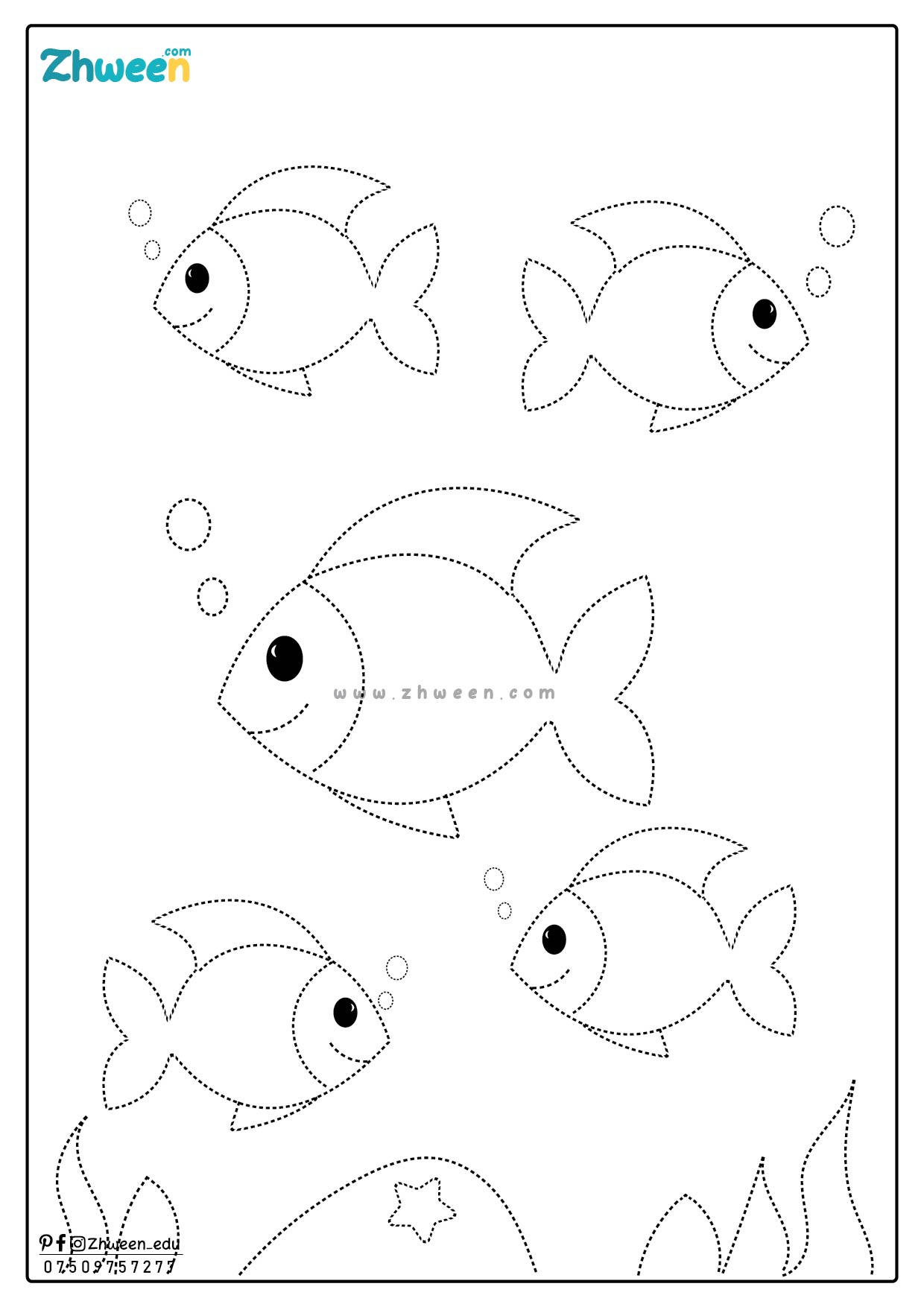
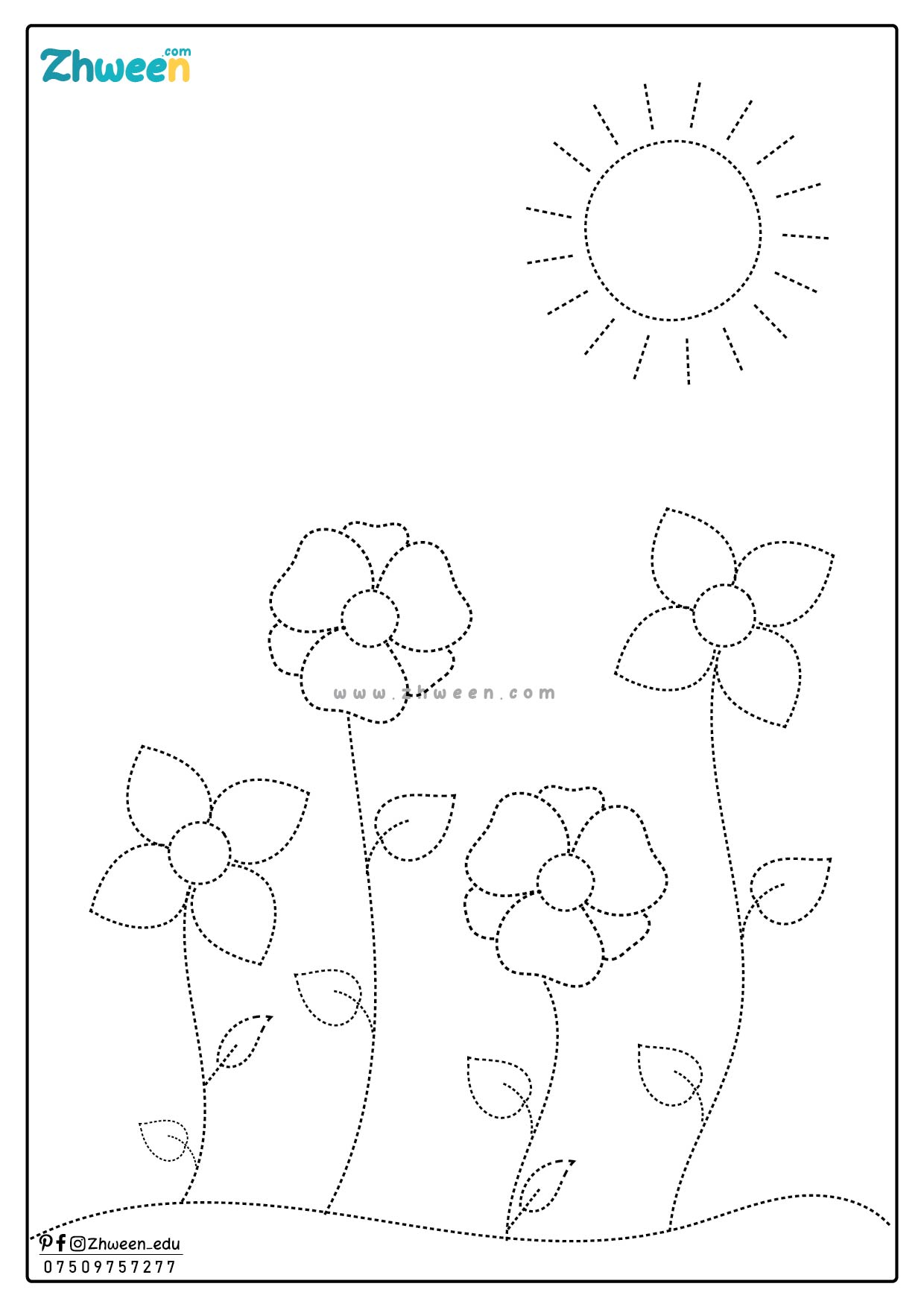
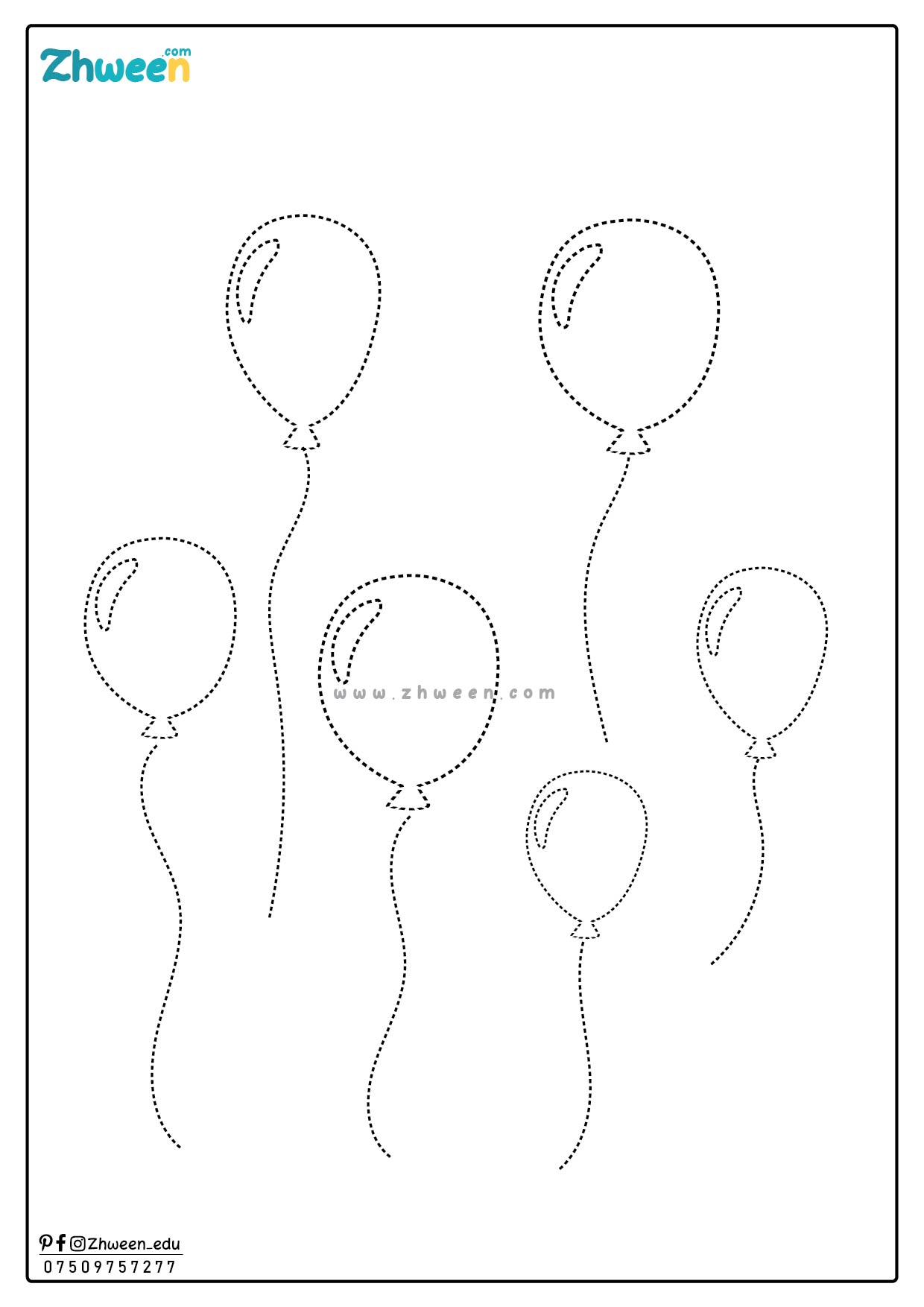
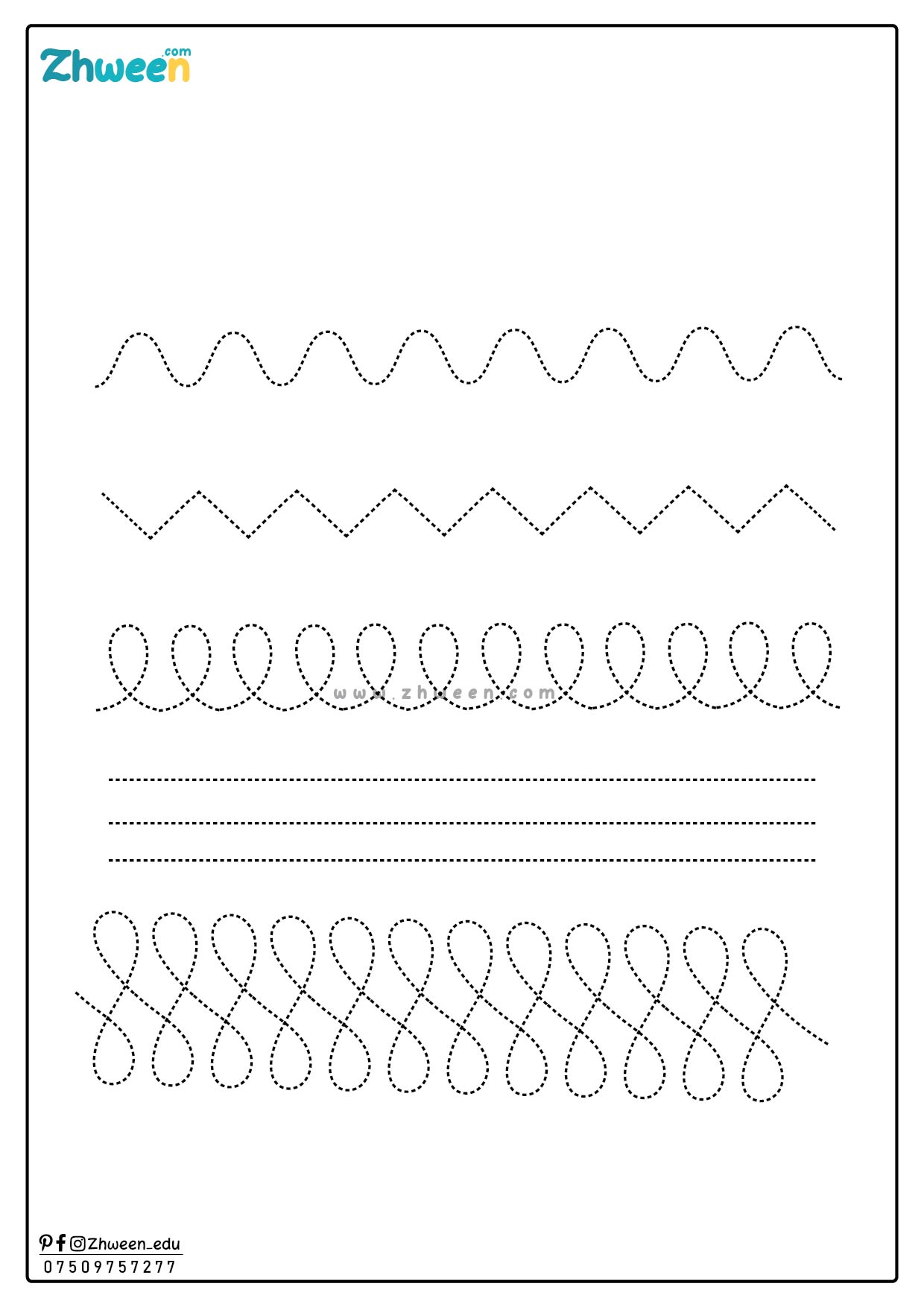
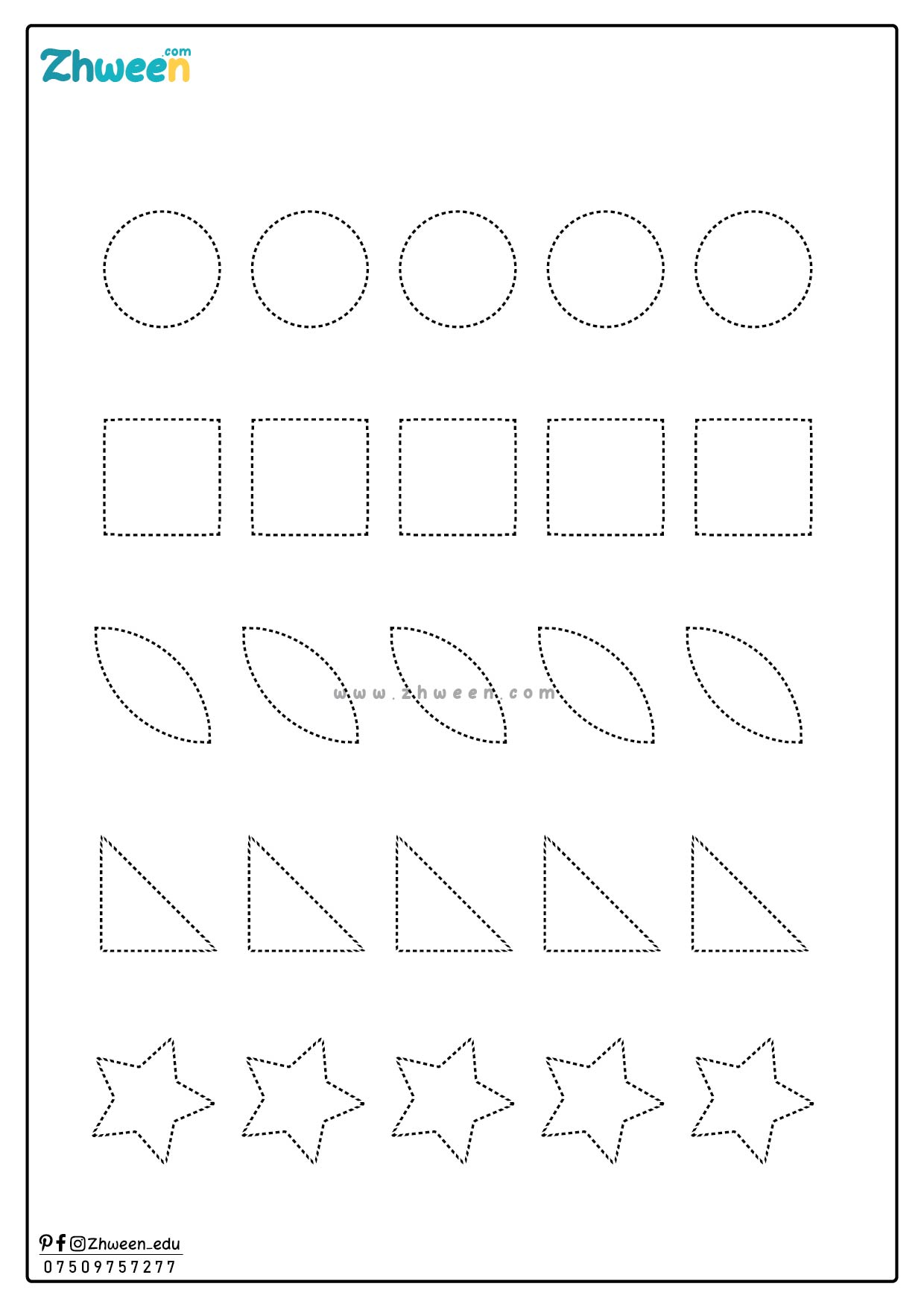
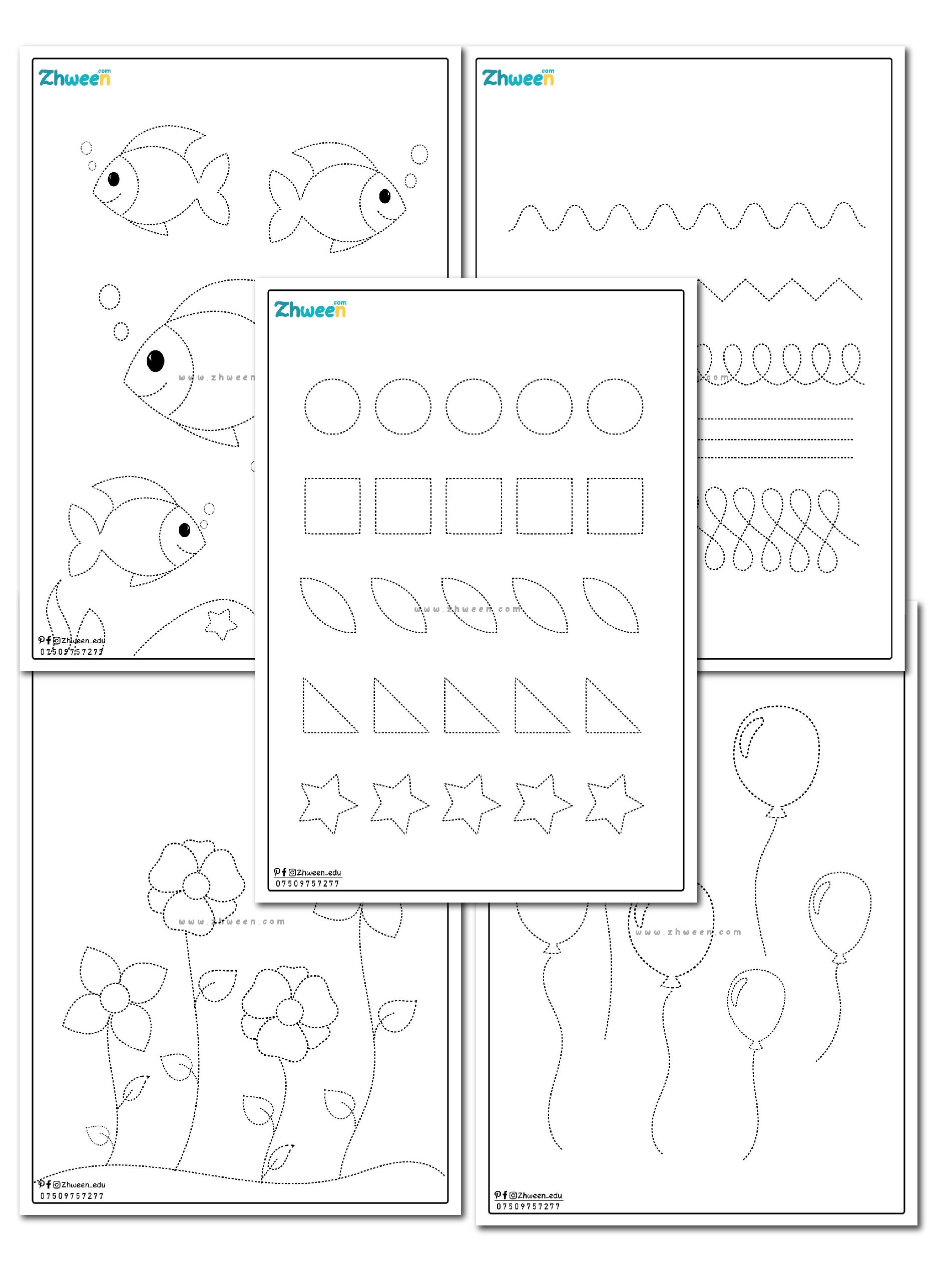
The worksheet collection features engaging themes including fish, flowers, balloons, geometric shapes, and various line patterns that keep children motivated while learning.
Potential Additions:
- Progressive difficulty levels from simple to complex patterns
- Directional arrows showing proper tracing technique
- Dotted lines with varying spacing for skill progression
- Thematic illustrations (animals, nature, objects) to maintain engagement
- Color-by-tracing activities for added creativity
How to Use:
Introduce worksheets gradually, starting with larger, simpler shapes before progressing to intricate patterns and smaller designs. Ensure children hold their pencil correctly using the proper tripod grip (thumb, index, and middle finger). Encourage slow, controlled movements rather than rushing through the activity. Demonstrate tracing techniques by showing the starting point and direction of movement. Use verbal cues like "follow the dots" or "stay on the line" to guide practice. Celebrate progress and effort rather than perfection, as motor skills develop at different rates. For younger children, consider laminating sheets and using dry-erase markers for repeated practice. Incorporate these activities into daily routines for 5-10 minutes to build consistency without causing fatigue. Mix different pattern types to maintain interest and challenge various aspects of motor control.
These worksheets serve as essential stepping stones from basic motor control to confident handwriting, helping children develop the physical skills and muscle memory needed for successful writing and drawing activities.





![Math Collection [Kurdish]](/media/products/images/math_collection.webp)